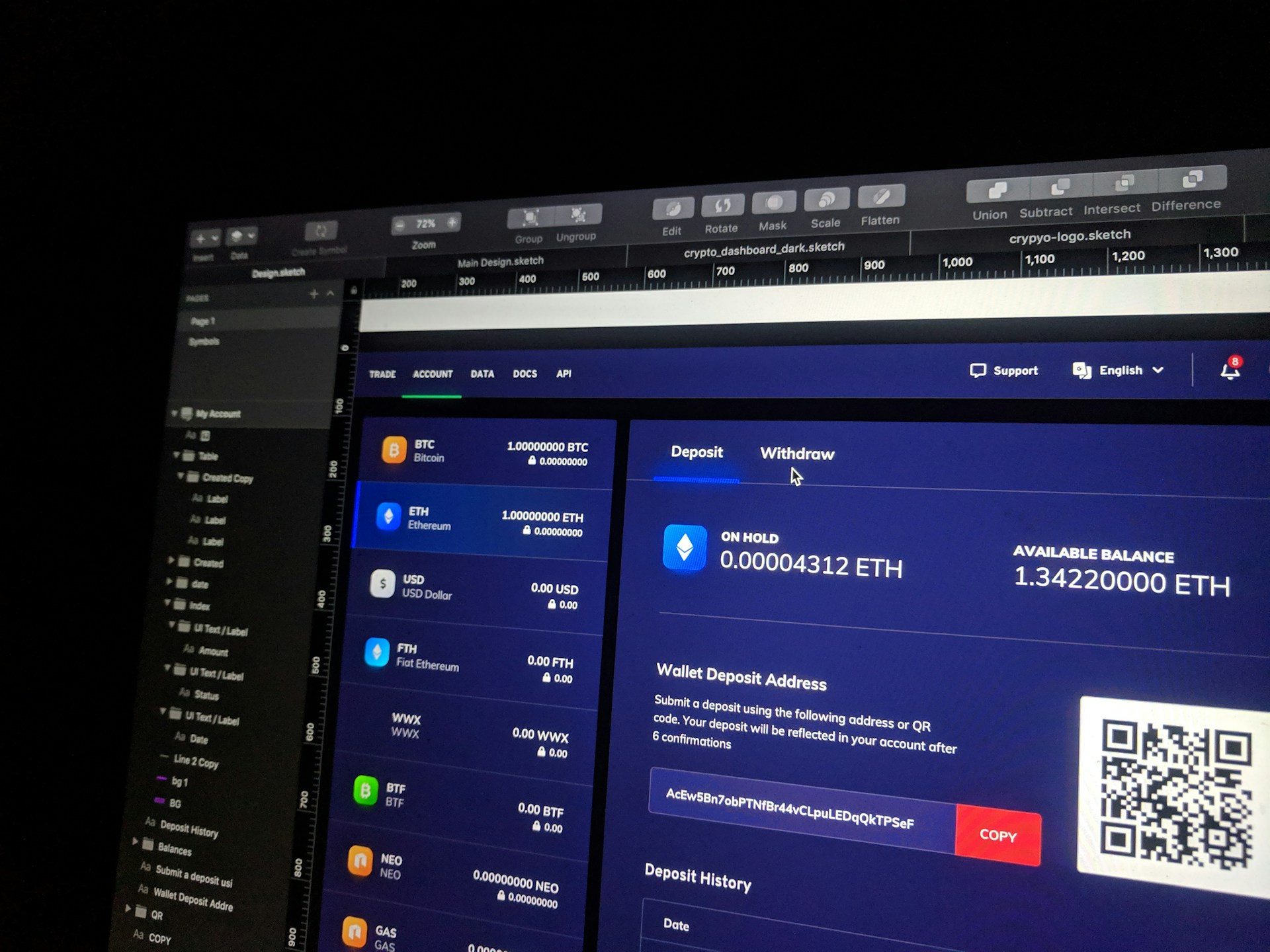
Invoices haven’t changed much in decades. A business delivers a product or service, sends an invoice, waits to get paid, follows up, reconciles records, and sometimes deals with fraud, disputes, or delays. Familiar story.
But something interesting is happening.
Blockchain invoicing is starting to reshape how invoices are created, verified, financed, and paid—especially in cross-border trade, fintech, and automated B2B payments.
And no, this isn’t just “crypto hype” dressed in accounting jargon.
It has practical implications.
If you’ve heard terms like crypto invoicing, blockchain e invoicing, or blockchain invoice financing and wondered what they actually mean, this guide breaks it down plainly.
Key Takeaways
Blockchain-based invoicing uses distributed ledger technology and, often, smart contracts to make invoicing more secure, transparent, automated, and harder to manipulate.
It can reduce fraud, improve payment speed, support invoice financing, and simplify global trade—but adoption, regulation, and system integration remain real hurdles.
So… What Is Blockchain-Based Invoicing?
At its core, blockchain-based invoicing means invoice data is created, recorded, verified, or processed on a blockchain network rather than relying entirely on centralized systems.
Think of a normal invoice as a paper trail kept in private filing cabinets.
A blockchain invoice acts more like a shared, tamper-resistant ledger where approved parties can verify the same record.
If an invoice is issued, approved, financed, and paid, every step can be recorded.
No quiet edits.
No duplicate invoices slipping through.
No “we never received that invoice” drama.
That alone gets attention.
A Simple Example
Imagine a supplier invoices a buyer for $50,000.
With traditional invoicing:
- The invoice is emailed
- Buyer verifies manually
- Accounts payable processes payment
- Financing providers may separately verify invoice authenticity
Slow.
With a blockchain invoicing software system:
- The invoice gets recorded on-chain
- Smart contract checks agreed terms
- Delivery confirmation can trigger approval
- Payment can auto-release
- Financing parties can verify invoice validity instantly
That’s a different machine.
How Smart Contracts Fit In
A lot of crypto invoicing solutions rely on smart contracts.
A smart contract is basically code that executes when conditions are met.
A common saying in fintech circles goes:
“Code can enforce what contracts only promise.”
That captures it well.
For example:
If goods are delivered + shipment confirmed + invoice approved → release payment.
No chasing signatures.
No back-and-forth emails.
No human bottleneck—at least in theory.
Traditional vs Blockchain Invoicing
| Feature | Traditional Invoicing | Blockchain Invoicing |
|---|---|---|
| Record Integrity | Can be altered | Tamper-resistant |
| Verification | Manual | Shared validation |
| Payment Automation | Limited | Smart contract-driven |
| Fraud Risk | Higher | Reduced |
| Cross-Border Payments | Often slow | Potentially faster |
| Financing Access | Slower verification | Faster invoice authentication |
That last point matters more than people realize.
Because invoice financing is a huge piece of this story.
Blockchain Invoice Financing and Factoring — Big Deal, Honestly
Here’s where things get interesting.
Blockchain invoice financing allows lenders or investors to verify invoices faster and with greater trust.
That can support:
- Invoice discounting
- Receivables financing
- Trade finance
- Blockchain invoice factoring
And factoring has always had one stubborn problem:
Is the invoice real?
If verification takes days, funding slows.
With blockchain-backed records, that friction may shrink.
Some fintechs are already experimenting with tokenized receivables—essentially turning invoices into financeable digital assets.
That would have sounded sci-fi ten years ago.
Now? Less so.
Advantages of Blockchain Invoicing
1. Fraud Prevention
Invoice fraud is expensive.
Duplicate invoices, fake vendors, manipulated payment instructions—it happens.
Blockchain-based invoicing software can reduce those risks because records are harder to alter retroactively.
Huge win.
2. Faster Payments
Late payments hurt everyone.
Freelancers feel it. Suppliers feel it. Cash flow suffers.
Smart contracts can automate payment triggers, which can speed settlements.
And speed often means healthier businesses.
3. Better Transparency
Everyone sees the same verified record.
That matters in supply chains.
That matters in audits.
That matters when five stakeholders touch one invoice.
4. Stronger Global Trade Support
This is where blockchain based e-invoicing platform for global trade discussions get serious.
Cross-border invoicing often involves:
- Customs
- Banks
- Currency conversion
- Compliance checks
- Trade documents
Messy.
Blockchain can potentially connect those moving parts.
It pairs well with structured e-invoicing standards, too, especially if you’re exploring UBL and PEPPOL. This resource helps explain it well:
👉 What Is E-Invoicing? UBL, PEPPOL & Global Standards Explain
Worth reading.
Use Cases Where It Actually Makes Sense
Not every business needs this.
Let’s be honest.
But some industries do.
| Use Case | Why Blockchain Helps |
|---|---|
| Supply Chain Payments | Shared verification across parties |
| International Trade | Faster document trust |
| Healthcare Billing | Auditability |
| Freelancer Crypto Payments | Borderless settlement |
| Invoice Factoring | Better invoice validation |
| Procurement Networks | Automated approvals |
And yes—crypto invoicing platforms are increasingly targeting freelancers and SaaS businesses accepting digital assets.
But Wait—What Are the Challenges?
Plenty.
Let’s not romanticize it.
Integration Problems
Most firms already run ERPs, accounting tools, and AP systems.
Connecting blockchain layers to legacy software?
That can be painful.
Regulatory Uncertainty
Especially when crypto invoicing SaaS tools involve digital assets.
Tax treatment, compliance, and jurisdictional issues—they vary.
And regulators move… well, sometimes slowly.
Adoption Friction
A network only works if participants join it.
One company using blockchain invoicing alone doesn’t create much value.
This is partly a coordination problem.
Classic chicken-and-egg.
Upfront Costs
Implementation isn’t free. Even if long-term efficiency improves, setup can be expensive. That matters to smaller businesses.
“Is Blockchain Invoicing the Future?” — Maybe, But Carefully
People ask this a lot.
Short answer: Possibly.
But not as a wholesale replacement tomorrow.
More likely:
Traditional invoicing + automation + blockchain layers where trust friction is highest. That hybrid model feels more realistic.
And honestly, many businesses may benefit more today from better invoice automation than full blockchain architecture. That’s an important distinction.
What About Crypto Invoicing?
Related, but slightly different.
Crypto invoicing usually means invoicing clients in cryptocurrency or allowing crypto settlement.
That may be used:
- Bitcoin invoices
- Stablecoin billing
- Smart-contract payment triggers
- Crypto invoicing platforms
- Crypto invoicing solutions
This is growing with remote work and global freelancing.
And for some digital businesses, it solves genuine payment friction.
Others? It adds complexity.
Depends.
A Simple Blockchain Invoicing Example
Say a design agency in Pakistan invoices a U.S. client.
Traditional flow:
Invoice → Bank transfer → Delays → FX fees.
Blockchain example:
Invoice issued via blockchain invoicing software
Smart contract confirms project milestone
USDC payment released
Immutable payment proof stored
Cleaner.
Potentially cheaper.
Not magic—but cleaner.
What About Templates, PDFs, and Everyday Invoices?
Interesting things people search for:
- blockchain invoicing template
- blockchain invoicing pdf
- blockchain invoicing example
Often, they’re not looking for literal blockchain-coded invoices.
They want practical invoice formats for emerging payment models.
And frankly, you don’t need a sophisticated blockchain stack to start improving invoicing.
Sometimes, a better invoice process is step one.
That’s where a free tool like Invoice Generator Pro can help.
If your current invoices are manual, inconsistent, or slow, fixing those basics often delivers faster ROI than chasing trendy infrastructure.
You can create professional invoices here:
Sometimes the smartest move is simpler than people think.
Traditional Invoicing vs Emerging Blockchain Systems — A Reality Check
There’s a mild contradiction here.
Blockchain can improve invoicing.
Most businesses don’t need it yet.
Both are true.
Because technology value depends on context.
A freelancer sending five invoices monthly?
Probably doesn’t need a complex blockchain-based invoicing software stack.
A multinational supplier network?
Different story.
That nuance matters.
Related Concept: What Is Convergent Invoicing?
Since people ask what is convergent invoicing, quick clarification:
Convergent invoicing means combining multiple services or charges into a single invoice—common in telecom and subscription industries.
It isn’t the same as blockchain invoicing.
Though interestingly, blockchain systems could support convergent invoicing models in future billing ecosystems.
See how these concepts overlap?
Finance tech loves layered complexity.
Should Businesses Pay Attention Now?
Yes—but pragmatically.
Watch these areas:
- Smart-contract billing models
- Trade finance innovation
- Blockchain invoice factoring platforms
- Digital identity verification for invoicing
- Regulated blockchain e invoicing networks
Even if you don’t adopt now, understanding the direction matters.
Because payments infrastructure tends to change slowly…
Then suddenly.
Final Thoughts
Invoices sound boring until they break.
Then they become urgent.
That’s why blockchain invoicing has attracted attention—not because it’s fashionable, but because invoicing has long-standing trust and efficiency problems.
Will blockchain solve all of them?
No.
Will it improve some of them?
Very likely.
And whether you’re a freelancer exploring crypto invoicing, a CFO evaluating blockchain invoice financing, or a SaaS buyer comparing blockchain-based invoicing software, understanding the mechanics now puts you ahead.
As one old finance saying goes:
“Cash flow is oxygen.”
Anything that protects or accelerates it deserves attention.
Even if it arrives wearing blockchain clothes.
Frequently Asked Questions
What is blockchain invoicing?
It uses distributed ledger technology to record, verify, and sometimes automate invoice processing and payments.
What is blockchain invoice factoring?
It applies blockchain verification to invoice financing or factoring, helping reduce fraud and speed funding decisions.
Is blockchain invoicing secure?
It can improve security through tamper-resistant records, though implementation risks still exist.
What is the difference between crypto invoicing and blockchain invoicing?
Crypto invoicing focuses on cryptocurrency payments. Blockchain invoicing is broader and may include invoice verification, automation, and financing.
Can small businesses use blockchain invoicing?
Some can, though many may benefit first from strong digital invoicing tools before moving into blockchain systems.

Akbar Ali is the Founder of InvoiceGeneratorPro.io, a platform dedicated to helping freelancers, small businesses, startups, agencies, and entrepreneurs create professional invoices quickly and efficiently. With years of experience in digital business, SEO content strategy, and online entrepreneurship, he focuses on developing practical tools and educational resources that simplify invoicing, payment management, and financial documentation.As a business writer and digital entrepreneur, Akbar creates in-depth guides, industry insights, and actionable content covering invoicing, freelancing, accounting basics, business finance, taxation, productivity, and payment solutions. His goal is to make complex financial processes easy to understand while helping professionals save time and present their businesses more professionally.Through InvoiceGeneratorPro.io, he continues to build reliable, user-friendly solutions that empower businesses worldwide to streamline their billing workflows and improve financial organization.
Akbar Ali